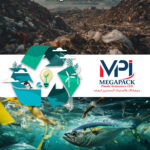


For too long, the promise of extended shelf life and enhanced product protection has come at a steep environmental cost. Multi-layer plastic packaging, a prominent feature in the modern consumer economy, is a significant contributor to global plastic waste. According to the United Nations Environment Programme, the world produces 400 million tonnes of plastic every year and 36% comes from multi-layer plastic packaging. At Megapack Plastic Industries, we believe it’s time to unravel the complexities of this issue and advocate for a more sustainable and economically sound alternative: single-layer plastic packaging.
Understanding Multi-Layer Plastic Packaging
Multi-layer plastic packaging consists of two or more different types of plastic films laminated together. Layering is meant to achieve specific functionalities, including:
- Barrier Properties: Multiple layers act as a barrier against air, moisture, light, and aromas, crucial for preserving food freshness and product quality. Most often, a layer of aluminum foil (ethylene vinyl alcohol) is sandwiched between layers of polyethylene (PE) or polypropylene (PP) to achieve resistance against environmental barriers.
- Mechanical Strength: Multi-layer plastics also involve layering a combination of plastic films with varying degrees of flexibility and rigidity to create packaging that is both durable and puncture-resistant.
- Printability: Outer layers are often chosen for their capacity to be printed on effectively. Packaging is among the most crucial elements of branding. Most brands end up using multi-layer plastics for their printability and consumer appeal.
- Heat Sealing: For brands that need specific layers to ensure proper sealing, multi-layer plastics are used during the packaging process.
While these features are great for product protection and marketing, the complexity of multi-layer plastics creates significant problems at their end of life.
The Environmental Cost of Multi-Layer Plastics
Multi-layer plastics are hard to recycle. Since multilayer plastics are made by bonding different layers of plastic and other materials, it is a challenging task to separate them into individual materials for recycling. It requires chemical or energy-intensive processes that are expensive and hard to scale.
Multi-layer plastics also contain food residues, adhesives, or inks that complicate the recycling process and reduce the quality of recycled material. This lack of recyclability leads to several negative environmental consequences:
- Dumping in landfills: Multi-layer plastic packaging often ends up in landfills, contributing to the growing problem of plastic waste accumulation. They take hundreds of years to decompose, leaching harmful chemicals into the surrounding soil and groundwater.
- Ocean Pollution: A significant portion of plastic waste, including multi-layer packaging, finds its way into our oceans. It is estimated that 75 to 199 million tonnes of plastic is currently found in our oceans. It breaks down into microplastics, which marine life ingests, ultimately entering the food chain — a threat to human health.
- Large carbon footprint: Virgin multilayer plastics rely heavily on fossil fuels. This contributes to greenhouse gas emissions and the depletion of finite natural resources. The level of greenhouse gas emissions associated with the production, use and disposal of conventional fossil fuel-based plastics is forecast to grow to 19 per cent of the global carbon budget by 2040. Additionally, the entire lifecycle of multi-layer plastic, from raw material extraction to disposal, has a higher carbon footprint compared to easily recyclable alternatives. That’s a significant cost to the environment.
The Economic Burden of Multi-Layer Plastics
Multi-layer plastics are great for product protection, but in the long run, their economic implications are concerning. As landfill space becomes increasingly scarce, disposal costs for non-recyclable waste like multilayer plastics are expected to skyrocket. It’s businesses that will have to bear this escalating cost.
Another large cost is the damage to brand reputation. Consumers today are increasingly aware of the damage plastic is doing to the environment. They are willing to pay a premium and purchase from brands that are environmentally conscious. Using difficult-to-recycle, multi-layer plastics goes against prevailing consumer demand and will adversely impact brand reputation.
It isn’t only consumers that are demanding a change to recycled plastics; governments the world over are implementing stringent regulations on single-use plastics. The penalties and legal costs arising from the lack of compliance are too high. Proactive businesses that transition to sustainable alternatives will be better positioned to navigate these changes.
By moving away from multi-layer plastics, businesses can seize the economic opportunity that comes with a circular economy, where materials are kept in use for as long as possible, reducing waste and eliminating the need for multi-layer and virgin resources.
The Simplicity of Single-Layer Plastics
In contrast to their complex counterparts, single-layer plastics are made from a single type of plastic resin. This inherent simplicity makes them significantly easier to recycle using existing infrastructure. Common examples of single-layer plastics used in packaging include:
- Polyethylene (PE): Widely used for films, bags, and bottles.
- Polypropylene (PP): Found in containers, tubs, and some flexible packaging.
- Polyethylene Terephthalate (PET): Commonly used for beverage bottles and rigid containers.
When collected and processed, single-layer plastics can be melted down and remade into new products, closing the loop and reducing the demand for virgin plastics.
Why Businesses Should Use Single-Layer Recycled Plastic Packaging
With the growing urgency for sustainable packaging, businesses must transition to single-layer recycled plastic packaging now. The benefits of it are vast and it is the best option for a sustainable future. Here’s why:
Enhanced Recyclability: Using a single type of plastic, particularly widely recycled materials like PE or PP, significantly improves the recyclability of packaging, reducing landfill waste and its associated environmental impact.
Reduced Environmental Footprint: Single-layer plastic minimizes the environmental footprint by decreasing the need for virgin plastic production, conserving fossil fuels, and lowering greenhouse gas emissions.
Improved Brand Loyalty: Consumers today love sustainable brands. Adopting single-layer plastic packaging offers a significant competitive edge as it demonstrates a commitment to sustainability. It resonates positively with environmentally conscious consumers, fostering brand loyalty and attracting new customers.
Cost Effectiveness and Circular Economy: It’s true that transitioning from multi to single-layer plastics requires initial investment. However, recycling is the most cost-effective option, as brands won’t be introducing new plastics but recycling existing plastic waste. Moreover, the transition will drive away the cost of non-compliance with regulations, which will lead to significant cost savings. Businesses can actively participate in a circular economy by choosing recyclable materials. Promoting resource efficiency and reducing reliance on linear “take-make-dispose” models is the essence of recycling and the foundation for a sustainable future.
Innovation: As the demand for sustainable packaging ramps up, there’s greater demand for innovation in material science. This is essential to a future where high-performance single-layer recycled plastics can meet diverse packaging needs.
Embracing a Sustainable Future with Megapack Plastic Industries
As consumers shift toward sustainable products, it’s not enough to merely talk about sustainability. Businesses must walk the talk. At Megapack, we are committed to making real changes in the flexible packaging industry by using recycled materials.
We use cutting-edge technology to keep our production cycles efficient, reducing waste while maintaining high product quality. This helps prevent landfill overflow and ocean pollution. With advanced German technology, we manufacture high-quality single-layer plastics. This means businesses can reduce their reliance on multi-layer products and lower their environmental impact.
We’ve also rolled out new initiatives to support businesses in their journey toward sustainability. One among them is our Onus Credit program, which allows suppliers and businesses to recycle plastics by passing on plastic waste directly to us. In return, they earn credits that can be redeemed for the consumable goods we manufacture. By working together, we’re building a circular economy that reduces waste and helps create a more sustainable future.
We believe that change begins with small actions. Join us as we work together towards a larger cause. Learn more about our sustainability goals.